


In every field, someone with half your experience is winning the opportunities you want. Often the only difference is that they show up on LinkedIn every week, and you don't.
Personal branding on LinkedIn is how you stop being the best-kept secret in your industry. Get your positioning, profile, and content right, and your name starts coming up in rooms you aren't even in.
How personal branding on LinkedIn works
Personal branding on LinkedIn works through repetition. Your profile, your posts, and your comments add up to a single impression people carry about you.
That impression is the mental shorthand people use to decide whether you're worth hiring, referring, or following. Showing up week after week is what builds it.
How to build your personal brand on LinkedIn
Building a personal brand on LinkedIn comes down to a few repeatable moves:
Step 1: Get clear on your positioning
Before you post anything, decide who you help and what you want to be known for.
A brand built on "marketing" is forgettable. A brand built on "B2B email marketing for SaaS startups" is findable.
The narrower your focus, the easier you are to remember and recommend.
Step 2: Turn your profile into a landing page
Your profile is the landing page every post drives traffic to. Three parts do the heavy lifting:
- Headline: Go past the job title. Say who you help and how, like "I help SaaS founders turn churn into retention."
- About section: Open with the value you provide, ahead of your career timeline. Make the first two lines count, since that's all people see before they click "see more."
- Featured: Pin your best proof, whether that's a post, a case study, or a link that shows what you do.
Step 3: Pick your content pillars
Choose three to five themes you'll post about consistently, and make them the core of your LinkedIn content strategy.
These are the topics you want your name attached to, and they keep your content focused. For a UX designer, pillars might be portfolio teardowns, career advice, and the design process.
Step 4: Post consistently in your voice
Consistency beats virality. Showing up twice a week for a year builds more of a brand than one post that blows up followed by a month of silence.
Write in your own voice, share what you actually know, and let the familiarity build.
Step 5: Show up in the comments
A brand grows in the comments as much as in the feed. Comment thoughtfully on posts from people in your field, and their audience starts noticing your name. Showing up in relevant conversations puts you in front of the right people faster than posting alone.
Step 6: Track what works and do more of it
After a month or two, look at your top posts and find the pattern. Which topics landed, and which formats got saved and shared?
Double down on what works and drop what doesn't.
5 reasons your LinkedIn growth stalls
Most personal brands stall for the same handful of reasons, and each one has a clear fix.
1. Your posts read as generic
LinkedIn's feed rewards posts that show real knowledge and expertise, and generic motivational filler tends to sink. If your content could have come from anyone, it reaches almost no one.
The way through is to post what only you could write, whether that's your own data, a framework you actually use, or a contrarian take backed by firsthand experience.
2. Your topic is too broad
When your posts jump between tech trends, leadership, and personal stories, the feed struggles to categorize you, and your reach suffers for it.
Narrowing your focus works, even when it feels too restrictive. Commit to one main topic and two subtopics, and let your headline name the exact problem you solve so both people and the algorithm know what you're about.
3. You lean on low-signal engagement
Engagement pods, "Great post!" replies, and auto-likers read as low-quality activity, and they do little for how real people weigh your authority. Authority comes from a few useful comments a day instead, the kind that could stand alone as their own post.
4. You only post plain text
Text-only posts compete against formats that hold attention longer, and the more time people spend on your post, the more the feed circulates it.
Mixing in native carousels, short video, or a newsletter earns more attention per post and keeps your reach from flatlining.
5. You post and disappear
Publishing without sticking around to reply makes your posts feel one-directional, and quiet early comments signal to the feed that a post isn't sparking conversation.
Posts that reach further are the ones you stay with, so block out time right after publishing to answer early comments and keep the thread alive.
Stuck on what to actually post? Steal from this list of 50+ B2B social media content ideas for 2026, sorted by platform.
Make personal branding on LinkedIn sustainable
Personal branding on LinkedIn runs on sustained effort, and turning a half-formed thought into a post worth publishing takes longer than a busy week allows, so the cadence slips.
HyperWrite lowers the cost of each post so consistency stops being a grind.
TypeAhead suggests context-aware sentence completions right inside the LinkedIn post box, pulling from your other open tabs so the next line fits what you're actually writing about. Personas are reusable voice profiles you set up once, so those suggestions sound like you wrote them.
The library of prebuilt AI Tools also helps you rework a rough post, rewriting a clunky opener, shifting the tone, or tightening a long draft. You supply the take, and HyperWrite makes showing up every week realistic.
Dreading the blank post box every week? Try TypeAhead free with the HyperWrite Chrome extension and get your next LinkedIn post drafted in your own voice.
Frequently asked questions
How do you start building a personal brand on LinkedIn?
You start by deciding who you help and what you want to be known for, then shaping your headline and About section around that focus. From there, choose three to five content themes, post consistently, and comment on others' posts to build visibility.
What should you post about on LinkedIn?
Post about the three to five themes tied to your expertise, mixing practical how-tos, lessons from your own work, and clear opinions on your field. Firsthand insight earns more attention than generic advice, so share what you actually know.
How often should you post on LinkedIn?
Post at a cadence you can hold, which for most people is two to three times a week. Consistency matters more than volume, because showing up regularly builds familiarity better than short bursts followed by long silences.
Do you need to post videos to grow on LinkedIn?
No, you don't need to post videos to grow on LinkedIn, but it helps. LinkedIn rewards formats that hold attention, so short video and native carousels often reach further than text alone. Consistent, useful posts in any format still beat sporadic video.
How long does it take to build a personal brand on LinkedIn?
Building a personal brand on LinkedIn usually takes a few months of consistent posting before it starts to pay off. You'll see early signs like more profile views and comments, and referrals and inbound opportunities tend to follow once your name feels familiar.
Can you use AI to build your personal brand on LinkedIn?
Yes, you can use AI to build your personal brand on LinkedIn, as long as the ideas and voice stay yours. AI helps with drafting posts, turning notes into hooks, and keeping your tone consistent, which makes it easier to post regularly. The expertise and opinions still need to come from you.
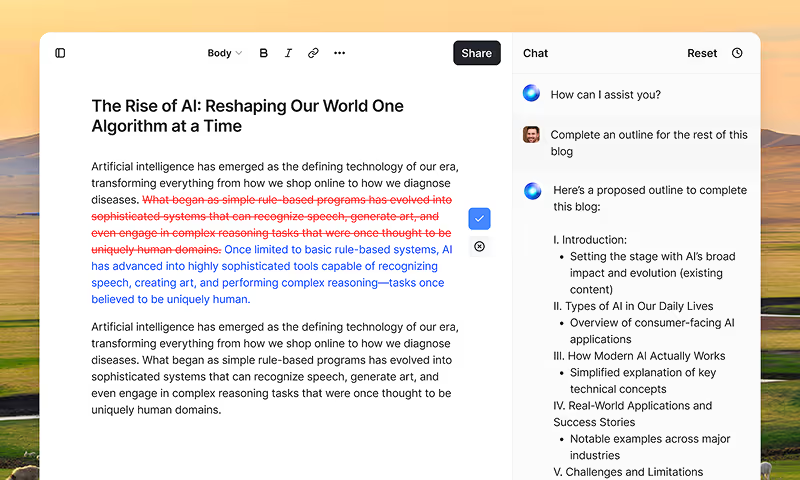
HyperWrite is the AI writing assistant that learns your style. It handles drafting, editing, and researching so you can focus on ideas.
- Autocompletes sentences as you type
- Works inside Google Docs & Gmail
- Adapts to your personal writing style
- 500+ AI tools for any writing task
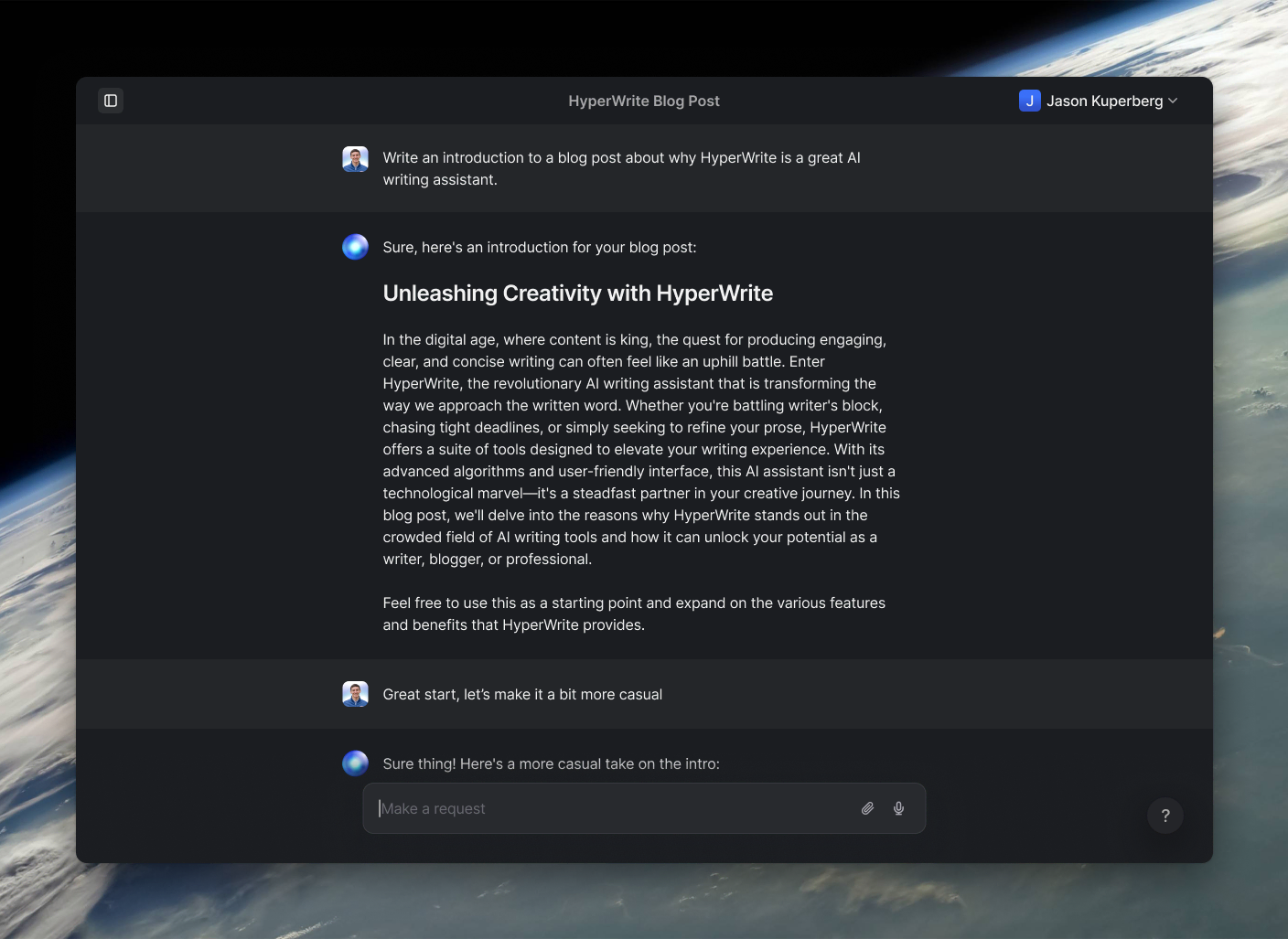
Powerful writing in seconds
Improve your existing writing or create high-quality content in seconds. From catchy headlines to persuasive emails, our tools are tailored to your unique needs.