
200+ Negative Adjectives to Describe a Person


Call a coworker "toxic," and the conversation ends before it starts. Most bad adjectives fall into the same trap when they show up alone ("difficult," "annoying," "bad" itself) since none of them give the other person anything to actually fix. Name the specific behavior instead, and suddenly there's something to work with.
That's the whole case for a sharper negative vocabulary. We’ve created a working list of over 200 negative adjectives (bad, mean, rude, and everything in between) sorted by trait, so you can find the right negative word to describe someone in a flawed character sketch or a piece of feedback that has to land.
Think of this as the bench of negative descriptive words you can reach for when broad bad words to describe someone, like "toxic" or "bad," are just not doing the work.
What is a negative adjective?
A negative adjective is a describing word that casts someone or something in an unfavorable light, naming a flaw, a weakness, or an unwanted behavior. "Careless," "arrogant," and "unreliable" are all negative adjectives, each pointing to a specific issue rather than a blanket insult.
Bad describing words come in a wide range of precision, and the sharper ones do more work, whether you're writing a character or delivering feedback.
Full list of negative adjectives
Dishonesty and untrustworthiness
- dishonest: Not truthful.
- deceitful: Intentionally misleading.
- deceptive: Creates a false impression.
- manipulative: Controls others through unfair means.
- untrustworthy: Cannot be relied on to be honest.
- disloyal: Fails to stay faithful to a person or cause.
- treacherous: Betrays trust, often severely.
- duplicitous: Deliberately deceptive in speech or conduct.
- two-faced: Says one thing, does another behind someone's back.
- insincere: Not genuine in word or feeling.
- hypocritical: Doesn't practice what they preach.
- conniving: Secretly plans to deceive or manipulate.
- scheming: Plots, often for personal gain.
- cunning: Cleverly deceptive.
- sly: Secretive and deceptive in a crafty way.
- evasive: Avoids giving direct answers.
- secretive: Reluctant to share information.
- unreliable: Cannot be counted on.
- unfaithful: Breaks a commitment or trust.
- dishonorable: Acts without integrity.
- corrupt: Willing to act dishonestly for personal gain.
- crooked: Dishonest, especially in dealings.
- shady: Suspicious in conduct or motive.
- underhanded: Acts secretly and unfairly.
- misleading: Gives a false or confusing impression.
- fraudulent: Obtained or done through deception.
- phony: Fake or insincere.
- calculating: Coldly plans for personal advantage.
- self-serving: Acts mainly for personal benefit.
- opportunistic: Exploits situations for personal gain.
- exploitative: Unfairly uses others for gain.
- unscrupulous: Has no moral principles restraining behavior.
- cagey: Deliberately vague or evasive.
- disingenuous: Pretends to be more honest than they are.
Rudeness and disrespect
- rude: Lacking basic courtesy.
- impolite: Not observing normal manners.
- disrespectful: Shows a lack of regard for others.
- arrogant: Overly proud, dismissive of others.
- condescending: Speaks down to others.
- dismissive: Quick to disregard others' input.
- contemptuous: Shows open disdain.
- scornful: Expresses harsh contempt.
- insulting: Deliberately offensive.
- tactless: Insensitive in speech or manner.
- abrasive: Harsh in manner, irritating to others.
- harsh: Unpleasantly severe in tone or judgment.
- cold: Emotionally distant and unfriendly.
- callous: Insensitive to others' feelings.
- unkind: Lacking basic warmth or care.
- cruel: Deliberately causes pain or distress.
- spiteful: Motivated by a wish to hurt.
- vindictive: Seeks revenge.
- malicious: Intends to cause harm.
- hostile: Actively unfriendly or aggressive.
- aggressive: Confrontational, ready to attack or push.
- belligerent: Hostile and ready to fight.
- confrontational: Prone to conflict instead of compromise.
- combative: Eager to argue or fight.
- snide: Mocking in a sly, contemptuous way.
- mocking: Ridicules through imitation or contempt.
- patronizing: Treats others as less capable.
- demeaning: Lowers someone's dignity.
- disparaging: Speaks of someone in a negative, belittling way.
- derisive: Expresses ridicule or scorn.
- obnoxious: Highly unpleasant, hard to tolerate.
- boorish: Rude and lacking social grace.
- crass: Lacking sensitivity or refinement.
- coarse: Lacking refinement in manner.
- uncouth: Lacking good manners or grace.
- brash: Overconfident and lacking tact.
- curt: Rudely brief in speech.
Unreliability and poor work ethic
- lazy: Unwilling to exert effort.
- careless: Not paying enough attention.
- sloppy: Careless and lacking precision.
- negligent: Failing to take proper care.
- irresponsible: Doesn't take duties seriously.
- undisciplined: Lacks self-control or structure.
- disorganized: Lacks order or a clear system.
- unmotivated: Lacks drive to act.
- apathetic: Shows no interest or concern.
- complacent: Overly satisfied, unmotivated to improve.
- indifferent: Shows no particular interest either way.
- unproductive: Fails to generate useful output.
- inefficient: Wastes time or resources.
- unprofessional: Fails to meet expected standards of conduct.
- tardy: Habitually late.
- forgetful: Prone to forgetting things.
- distracted: Unable to keep focus.
- unfocused: Lacks clear direction or concentration.
- inconsistent: Unpredictable in quality or effort.
- flaky: Unreliable, prone to backing out.
- unpunctual: Habitually not on time.
- slapdash: Done hastily and carelessly.
- reckless: Acts without regard for consequences.
- incompetent: Lacks the skill to do something properly.
- unprepared: Not ready for what's needed.
- undependable: Cannot be counted on.
- erratic: Unpredictable, inconsistent in behavior.
- unaccountable: Doesn't answer for actions or results.
- halfhearted: Lacks real effort or enthusiasm.
- neglectful: Fails to give proper care or attention.
Difficult temperament
- moody: Subject to frequent mood shifts.
- irritable: Easily annoyed.
- temperamental: Prone to unpredictable moods.
- volatile: Prone to sudden, unpredictable change.
- impulsive: Acts on instinct without thinking ahead.
- hot-headed: Quick to anger.
- short-tempered: Easily provoked to anger.
- touchy: Easily offended.
- defensive: Quick to protect oneself from criticism.
- argumentative: Inclined to argue.
- stubborn: Refuses to change one's mind.
- obstinate: Stubbornly refuses to change course.
- inflexible: Unwilling to adapt or compromise.
- uncompromising: Refuses to make concessions.
- petulant: Childishly irritable or sulky.
- sulky: Silently resentful in a childish way.
- sullen: Silently resentful or moody.
- brooding: Dwells on troubling thoughts.
- pessimistic: Expects the worst outcome.
- cynical: Distrustful of others' motives.
- bitter: Resentful, especially over past hurt.
- resentful: Holds onto anger over a perceived wrong.
- jealous: Resentful of others' success or attention.
- envious: Wants what someone else has.
- distrustful: Slow to believe or trust others.
- needy: Requires excessive attention or reassurance.
- clingy: Overly dependent on another's presence.
- controlling: Needs to direct others' actions.
- domineering: Controls others forcefully.
- overbearing: Imposes will on others heavily.
- demanding: Expects a great deal from others.
- difficult: Hard to deal with or satisfy.
- high-strung: Easily agitated or nervous.
- prickly: Easily irritated, quick to take offense.
Selfishness and poor character
- selfish: Focused mainly on one's own needs.
- self-centered: Preoccupied with oneself.
- self-absorbed: Excessively focused on one's own concerns.
- egotistical: Excessively focused on one's own importance.
- vain: Excessively proud of appearance or achievements.
- conceited: Has an inflated sense of one's own abilities.
- entitled: Believes one deserves special treatment.
- greedy: Wants more than one needs.
- materialistic: Overly focused on possessions and wealth.
- shallow: Lacks depth of feeling or thought.
- superficial: Concerned only with the surface of things.
- petty: Overly concerned with small, unimportant matters.
- insensitive: Unaware of or indifferent to others' feelings.
- uncaring: Shows no concern for others.
- thoughtless: Acts without considering others.
- inconsiderate: Fails to consider others' feelings or needs.
- ungrateful: Fails to show appreciation.
- unappreciative: Doesn't value what's been given.
- boastful: Excessively proud of one's achievements.
- pretentious: Tries to seem more important than one is.
- snobbish: Looks down on those seen as inferior.
- judgmental: Quick to criticize others.
- closed-minded: Unwilling to consider other views.
- intolerant: Unwilling to accept different views or people.
- possessive: Excessively controlling over people or things.
- self-important: Has an exaggerated sense of one's own significance.
- smug: Excessively pleased with oneself.
Weakness and incompetence
- weak-willed: Lacks resolve to follow through.
- spineless: Lacks courage to stand up for oneself.
- cowardly: Lacks courage in the face of difficulty.
- timid: Lacks confidence, easily frightened.
- submissive: Too easily yields to others.
- gullible: Easily deceived.
- naive: Lacks experience or worldly judgment.
- foolish: Lacks good sense.
- clumsy: Lacks physical coordination or grace.
- awkward: Lacks ease or grace in manner.
- inept: Lacks skill to do something properly.
- unskilled: Lacks trained ability.
- amateurish: Lacks professional skill or polish.
- mediocre: Neither good nor bad, unimpressive.
- subpar: Below an acceptable standard.
- ineffective: Fails to produce the desired result.
- unqualified: Lacks the necessary skill or credentials.
- fumbling: Handles something clumsily.
- hapless: Unlucky, seems doomed to fail.
- feeble: Lacks strength or effectiveness.
- ineffectual: Fails to achieve the intended effect.
- helpless: Unable to act or manage on one's own.
- indecisive: Struggles to make decisions.
- wishy-washy: Lacks firmness or clear conviction.
Insulting adjectives and strong negative words for antagonists
- cruel: Deliberately causes pain or suffering.
- ruthless: Shows no mercy or compassion.
- tyrannical: Rules or acts with oppressive control.
- vicious: Deliberately violent or cruel.
- brutal: Savagely harsh or violent.
- savage: Fiercely violent or cruel.
- merciless: Shows no mercy.
- heartless: Utterly without compassion.
- sadistic: Takes pleasure in causing pain.
- villainous: Wickedly and deliberately evil.
- sinister: Gives an impression of menace or evil.
- menacing: Threatening in manner or appearance.
- malevolent: Wishes harm on others.
- wicked: Morally wrong and harmful.
- monstrous: Shockingly cruel or evil.
- despicable: Deserving of contempt.
- contemptible: Deserving of scorn.
- loathsome: Causes intense dislike or disgust.
- vile: Morally repulsive.
- depraved: Morally corrupt.
- diabolical: Extremely evil or cruel.
- remorseless: Feels no regret over harmful actions.
- cold-blooded: Acts cruelly without emotion or hesitation.
- predatory: Seeks to exploit or harm others for gain.
- insidious: Causes harm in a gradual, hard-to-detect way.
Quick picks for common situations
Sometimes you don't need the full list of negative describing words, just enough to write one clean sentence.
Negative adjectives in a sentence
A precise adjective does better than a vague one, especially once it's anchored to the behavior that earned it.
Using negative adjectives responsibly
A precise word is a tool for describing behavior, not a license to attack a person. A few rules keep that distinction clear.
- Describe the action, not the person. "Dismissive in meetings" is feedback. "He's an idiot" is an insult, and it doesn’t teach the other person anything they can change. That's the working line between useful bad adjectives to describe a person and plain name-calling.
- Save the harshest register for fiction. Words like ruthless, monstrous, and sadistic work for a villain on the page. Aimed at a real coworker or family member, they escalate a conversation instead of resolving it.
- Check the word before you send it. A negative adjective that reads as sharp in your head can read as cruel once it's in an email. Read it back as if you were on the receiving end.
- Keep mental health and disability out of it. Words that pathologize a condition aren't describing character; they're inappropriate adjectives pretending to be an insight, and they don't belong in honest feedback or fair criticism.
Where precise negative language matters
Constructive feedback depends entirely on specificity. "Unprofessional" gives an employee nothing to act on; "arrives late to client calls" is a fixable behavior with a Monday morning attached to it.
- Fiction and character writing needs flaws that feel earned. A believable antagonist is manipulative or ruthless in a specific, consistent way. If you're naming a company's voice with the same discipline, our brand manifesto examples walk through the same move.
- Product and competitive writing occasionally needs to name a real weakness, whether that's a competitor's product or your own gap, and doing it fairly beats resorting to vague digs. Our guide to writing product descriptions covers how to describe shortcomings fairly.
- Critical and analytical writing relies on precise negative language to make an argument land, and different types of essays call for different degrees of directness.
Write the harder message faster
The exact word for a flawed character, or the honest sentence in a difficult performance review, is often where a draft sits unfinished the longest. It's the same stall covered in our guide to beating writer's block.
HyperWrite helps you get the wording right without losing the nerve to write it at all. TypeAhead drafts the difficult sentence alongside you, pulling context from the email thread or doc already open in your other tabs, so the language fits the situation you're actually in. Personas keeps it in your own voice, so the feedback still sounds like you wrote it.
Struggling to name the real problem without turning cruel? Try TypeAhead free with the HyperWrite Chrome extension and get the harder message out of your head and into the draft.
Frequently asked questions
What are examples of negative adjectives to describe a person?
Common examples of negative adjectives to describe someone include dishonest, arrogant, careless, selfish, and unreliable, each naming a distinct flaw, not a general insult. Pairing the word with a specific behavior, such as "unreliable with deadlines," makes the description read as feedback rather than an attack.
What are 5 negative adjectives for constructive feedback?
Five useful negative adjectives for constructive feedback are inconsistent, unresponsive, disorganized, defensive, and unprepared. Each names a specific, changeable behavior, which is what separates feedback someone can act on from criticism that stings without helping.
What are strong negative adjectives for a fiction villain?
Strong negative adjectives for a fiction villain include ruthless, manipulative, sadistic, and merciless, words that carry real menace on the page. These sit a register above everyday criticism, and they're best reserved for fiction, not for describing real people.
What are some mean words to describe someone without swearing?
Sharp, everyday mean adjectives include callous, spiteful, dismissive, snide, condescending, and petty. Each describes a specific unkindness without resorting to profanity. These are also the negative ways to describe someone that translate best into written feedback, since a reader can see the exact behavior you're pointing to.
How do you give negative feedback without sounding harsh?
Give negative feedback without sounding harsh by naming the specific behavior instead of the person's character. "You missed the deadline three times this month" lands as fixable feedback, while "you're unreliable" reads as a verdict on who someone is, not what they did.
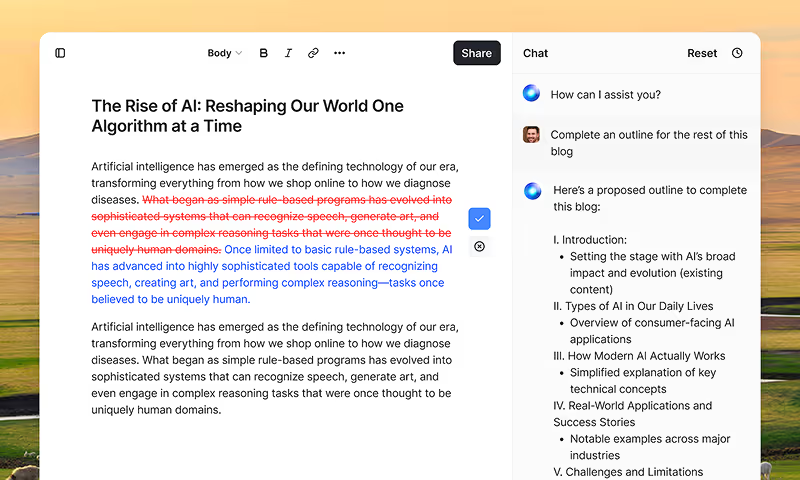
HyperWrite is the AI writing assistant that learns your style. It handles drafting, editing, and researching so you can focus on ideas.
- Autocompletes sentences as you type
- Works inside Google Docs & Gmail
- Adapts to your personal writing style
- 500+ AI tools for any writing task
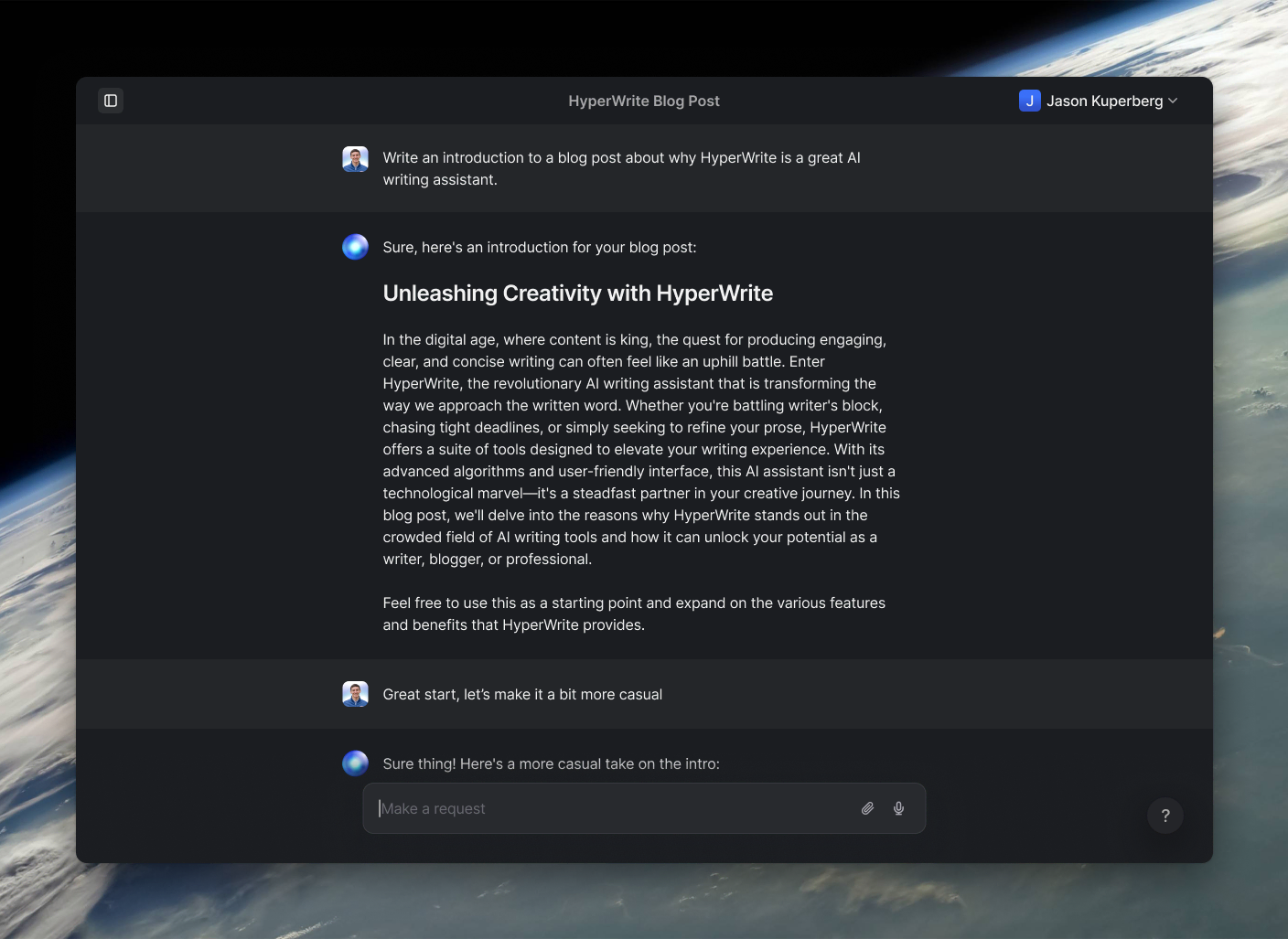
Powerful writing in seconds
Improve your existing writing or create high-quality content in seconds. From catchy headlines to persuasive emails, our tools are tailored to your unique needs.